
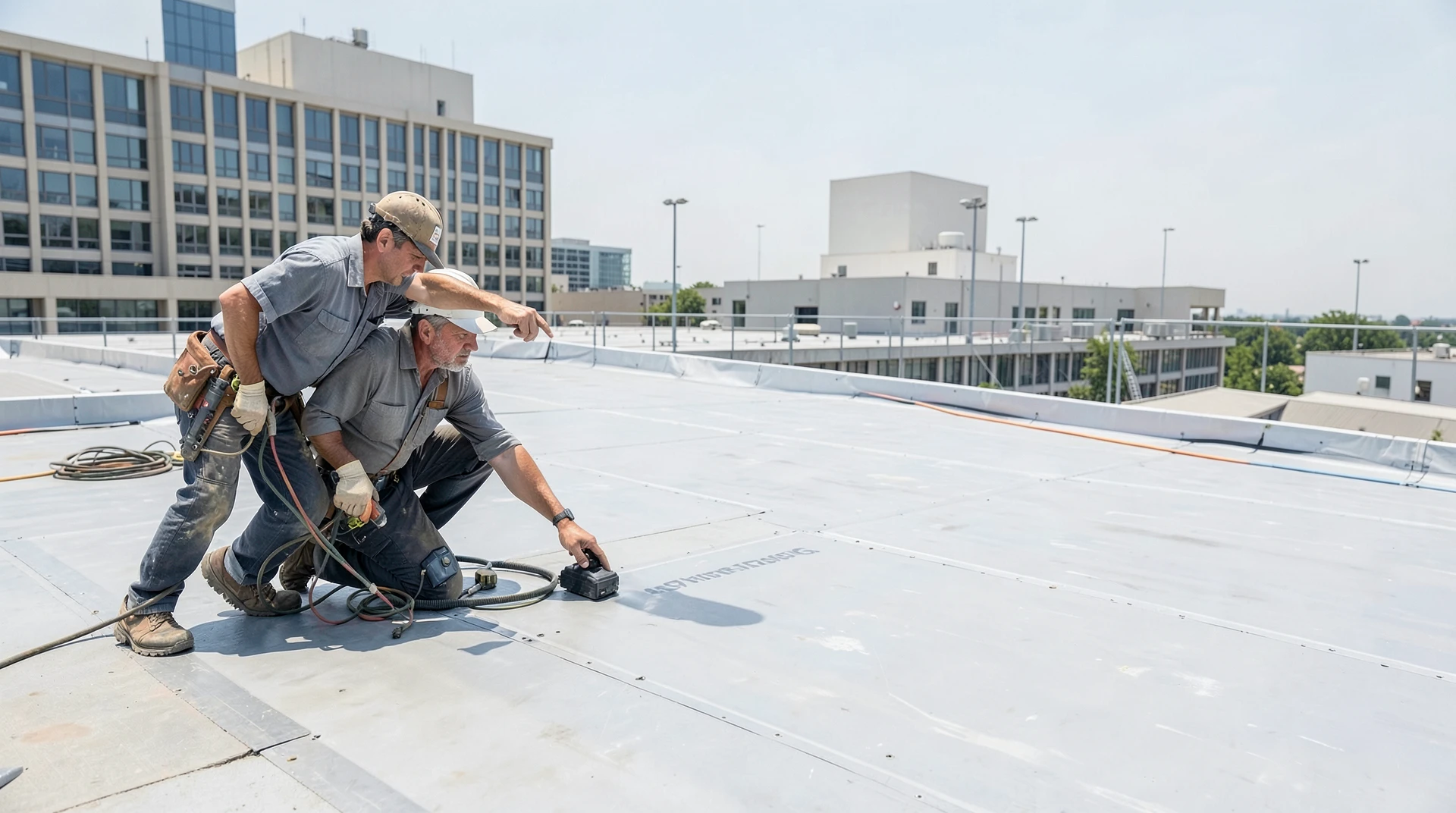
When a hailstorm hits or the Texas rains turn relentless, it’s easy to view your roof as just another expense-a commodity you hope lasts until the next tax season. But here in South Oak Cliff, we know better. After eighteen years of dealing with everything from unexpected severe weather to complex commercial repairs across neighborhoods like Junius Heights and Bishop Arts, I've learned that a roof is not merely covering; it is arguably the single most critical barrier protecting every dollar invested inside your walls.
The biggest mistake business owners make is treating roofing as an emergency service-a costly reaction only triggered by visible damage. That reactive approach guarantees higher costs, more stress, and often, structural problems that were already developing beneath the surface. The reality is that successful asset protection requires a structured plan. This guide cuts through the jargon and anxiety to give you clear, actionable cost-effective strategies for business roofing maintenance budgeting, ensuring your operation remains secure long after the storm passes.
Beyond the Leak: Why Roofing is Your Most Critical Storm Defense
We need to reframe how we think about this structure entirely. I want every property owner-whether running a small shop on Tenth Street or managing a multi-unit building-to understand that their roof system is not just shingles and metal; it’s the primary defense for your entire investment. It's what keeps the foundation dry, prevents mold from creeping into your HVAC system, and protects everything inside your walls.
The moment you see visible damage-a streak of discoloration, a patch of missing granules, or perhaps noticing water staining on an interior wall-your natural inclination is to panic, assuming a catastrophic failure is imminent. While that anxiety is understandable after surviving severe Texas weather patterns, remember that what you are seeing on the surface is often just the symptom of deeper systemic issues. It's like spotting mold on one corner of your kitchen counter; the real problem might be poor ventilation or a slow plumbing leak hidden behind the wall. If you are concerned about specific vulnerabilities, understanding options like impact-resistant shingles can help you see all service details here.
This brings us to the core concept: proactive maintenance saves exponentially more money than reactive emergency repair. Think of it this way: ignoring small, persistent leaks and minor flashing failures is akin to letting slow erosion chip away at your foundation over years. You might not notice the tiny amount of soil loss today, but eventually, the whole structure becomes unstable. My job, and the role of a local expert like Rock Line Roofing, is to help you intercept that slow erosion before it becomes a crisis. Dealing with unpredictable Texas weather patterns requires specialized knowledge-it goes far beyond merely replacing shingles; it involves understanding structural resilience and how water moves through your entire building envelope.
Building the Budget: Strategic Pillars for Long-Term Asset Protection
If "cost-effective" sounds like simply choosing the cheapest option, I need you to stop right there. That definition is fundamentally wrong, and frankly, dangerous when applied to roofing. In our industry, cost-effective means selecting the right solution with the highest lifespan and lowest long-term maintenance cost-it means buying quality time and peace of mind.
To truly plan for asset protection, we must break down your building's lifecycle costs. Many people confuse simple repairs (like patching a visible flashing gap) with full system replacement (which might require addressing compromised decking or structural rot underneath). These are not interchangeable actions; they represent drastically different levels of risk and expense.
The fundamental shift you need to make is moving away from viewing roofing as an annual, unpredictable "leak-fix" expense, and instead allocating it as a predictable, scheduled capital improvement fund for your business. This systematic approach is the backbone of developing true cost-effective strategies for business roofing maintenance budgeting. It means setting aside funds not just for when something breaks, but for preventative care every few years.
When you review your budget, make sure you are looking beyond the visible material costs. There are critical, often overlooked budget line items that can cause massive headaches if ignored: When you review your budget, make sure you are looking beyond the visible material costs and considering comprehensive exterior building envelope protection.
- Gutters and downspouts: These are essentially your house's drainage system. If they clog or leak, water overflows directly onto the fascia and foundation, undermining everything else.
- Flashing around vents/chimneys: Flashing is like a protective belt that seals the joint where two different materials meet (e.g., metal flashing meeting concrete). It’s an incredibly specialized repair, and neglecting it guarantees leaks over time.
- Underlying decking integrity: This is the plywood or OSB sheets beneath your shingles. If water has been penetrating for years, those boards might be compromised by rot or moisture damage, requiring structural replacement before any new material can be installed correctly.
Three Warning Signs That Your Roof Needs More Than Just a Patch
If you are concerned about whether minor fixes are enough, I want to give you three clear signs that professional assessment is non-negotiable. These signs signal that the problem is systemic-that it’s not just one loose shingle.
First, look closely at discoloration patterns. If certain areas of your roof or adjoining walls show consistent, dark staining, this often indicates trapped moisture that has penetrated deeper than just the shingles. This suggests a failure point in flashing or underlayment. Second, perform a mental "sound test." While we can't ask you to stand on it, if you notice any sections where the shingles are visibly cupped, buckled, or seem looser than their neighbors, they may be revealing underlying stress that is accelerating material degradation.
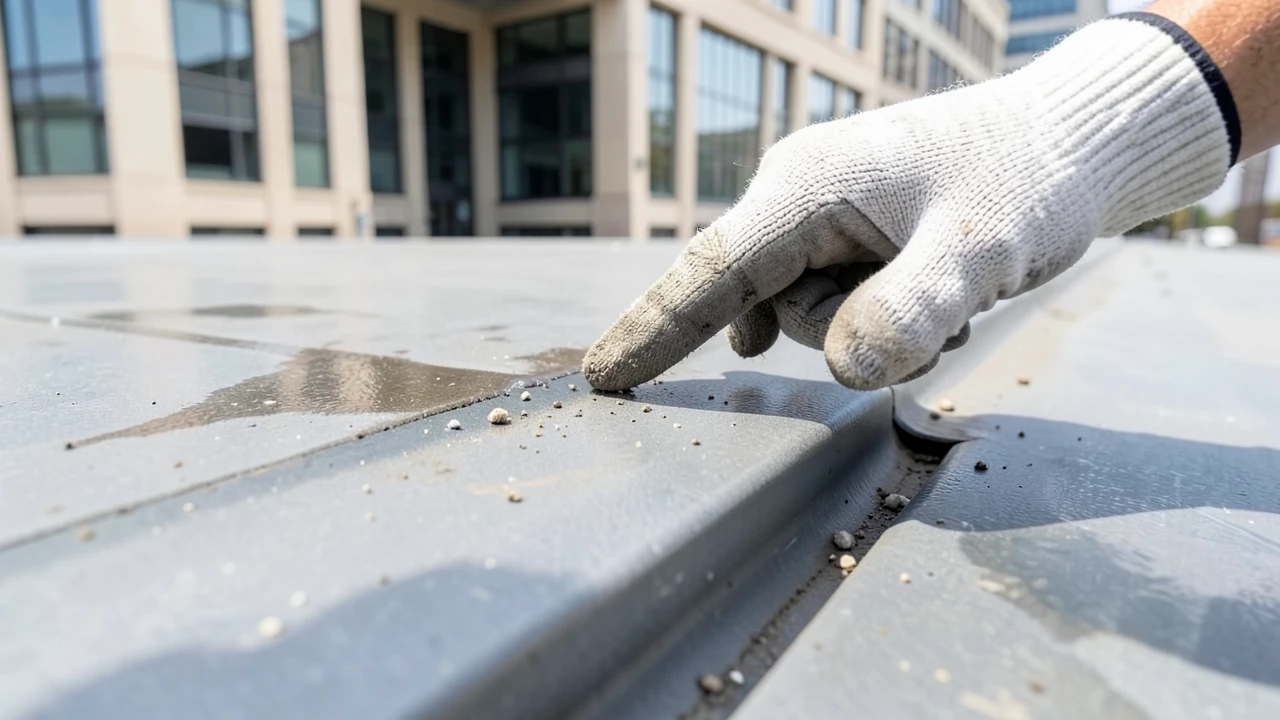
Third, pay attention to ponding. This relates to the pitch check and proper drainage flow across your roof surface. If water naturally pools in one specific area-especially common on low-slope sections frequently found in commercial buildings like those near Bishop Arts-it means the grade or membrane has failed in that spot. Pooling dramatically accelerates material degradation, leading to premature wear.
Finally, recognize when minor fixes are fundamentally failing. A clear criteria for needing a full assessment is if you find yourself paying for small patches, and within one season of installation, the area leaks again. If money spent on temporary repairs doesn't hold up against the next round of rain or hail, it means the root cause-the structural failure-has not been addressed.
From Emergency to Estimate: Navigating Damage Assessment and Claims
The moment a hailstorm rolls through South Oak Cliff, the anxiety level skyrockets. This is arguably when the most expensive mistakes are made-panic leads to bad decisions, like accepting vague or confusing estimates from unqualified contractors. You need a clear process built on trust and transparency.
A professional roofing expert doesn't start by talking about costs; we start with a thorough assessment. We conduct a diagnosis that pinpoints the actual source of water intrusion first, then we discuss solutions. This means differentiating between what is necessary (like replacing compromised flashing) versus what is merely optional (like selecting an upgraded color palette).
If you are dealing with insurance claims, remember this: You need guidance on working with adjusters and understanding who holds accountability for the work. Our goal is always transparency-we must be accountable not only for our labor but also for both materials and warranties. This requires a detailed Scope of Work that is written out, itemized, and crystal clear. Never accept an estimate that just says "Roof Repair"; it must break down exactly what components are being replaced and why they are necessary to secure your asset.
Keeping Your Investment Dry: Proactive Maintenance Beyond the Storm
The best protection against financial shock isn't buying a massive insurance policy; it’s adopting a preventative mindset. Establishing a routine, predictable schedule is key. We recommend an annual inspection checklist that doesn't wait for severe weather. During non-storm months-say, late fall or early spring-a professional should inspect fasteners (making sure nothing has been loosened by temperature shifts), check the seals on all flashing points, and ensure your gutters are free of debris buildup.
Furthermore, when considering replacements, remember that sometimes investing in premium materials upfront is the ultimate cost-saving measure over decades of constant patching. For instance, while initial costs may be higher, a high-quality metal or impact-resistant shingle system can provide superior long-term protection against repeated severe South Oak Cliff weather events compared to lower-grade asphalt options that require frequent interventions. Furthermore, when considering replacements, remember that sometimes investing in premium materials upfront is the ultimate cost-saving measure over decades of constant patching, such as opting for Slate & Tile Roofing.
Consistency and predictable planning-like developing effective cost-effective strategies for business roofing maintenance budgeting-is the most reliable way to protect your asset's value and prevent catastrophic failure. It’s about building resilience into your operational budget, treating it as a critical utility expense like HVAC or plumbing.
Whether you are facing an immediate leak repair challenge or planning a decade out, local expertise rooted in understanding the unique stresses of South Oak Cliff is non-negotiable. We understand the specific challenges presented by the intense climate and dense commercial landscape here. Don’t let roof worries distract you from running your business. If you need guidance on a preventative maintenance schedule or require an honest assessment of potential storm damage, contact us at +1 469-589-3827 for local, expert advice.