

Dealing with a major roof replacement-especially on a commercial building-can feel overwhelming. It often seems like a black box of technical jargon, complex logistics, and unpredictable costs. You might be looking at a facility in the Bishop Arts area or an industrial structure near Expo Park, and the sheer scale of the job can make you anxious about quality, timeline, and cost overruns. We understand that anxiety completely.
I’ve spent the last 18 years working with local homeowners and commercial property owners across South Oak Cliff. Nothing teaches you anything like dealing with a sudden hailstorm or unexpected water intrusion in record time-the experience is unmatched. When people ask me, "How do we know if this quote is an honest estimate, or just a rip-off?" I always tell them the answer lies entirely within the process itself. It’s not about who you call; it’s about how they plan to execute the job.
This guide isn't meant to sell you anything; it's designed to demystify the entire scope of commercial roofing. By understanding what steps are required for a large-scale commercial roofing project, you gain the knowledge needed to vet any contractor and ensure your investment is protected by expert planning, not just expensive materials.
More Than Just Shingles: Understanding What Makes a Roofing Project Truly Complex
If you’re thinking of a roof replacement in South Oak Cliff, TX, and picturing something simple-just peeling off old shingles and putting on new ones-you are drastically underestimating the complexity involved. Whether we are addressing a small residential leak in Junius Heights or tackling a massive, multi-zoned commercial facility, if you suspect issues like leaks, contacting South Oak Cliff roof leak experts is the first step toward proper planning.
At Rock Line Roofing, our perspective is that roofing isn't just about materials; it’s about understanding how structures interact with unique Texas climate patterns-the rapid cycle from extreme heat expansion to sudden hailstorm impact or torrential rain. This interaction introduces structural stresses that a simple surface-level fix will never address.
We immediately want to set expectations for transparency because cost anxiety is the single biggest hurdle in this industry. A detailed, multi-phase process is the only way to avoid vague estimates or unexpected costs down the line. We don't just estimate; we pinpoint the actual source of the leak so you know exactly what needs fixing-no vague surprises or hidden costs later. Our goal here is to show you that reliable service means following a proven, multi-stage roadmap every single time.
Phase 1: The Deep Dive Inspection and Structural Assessment
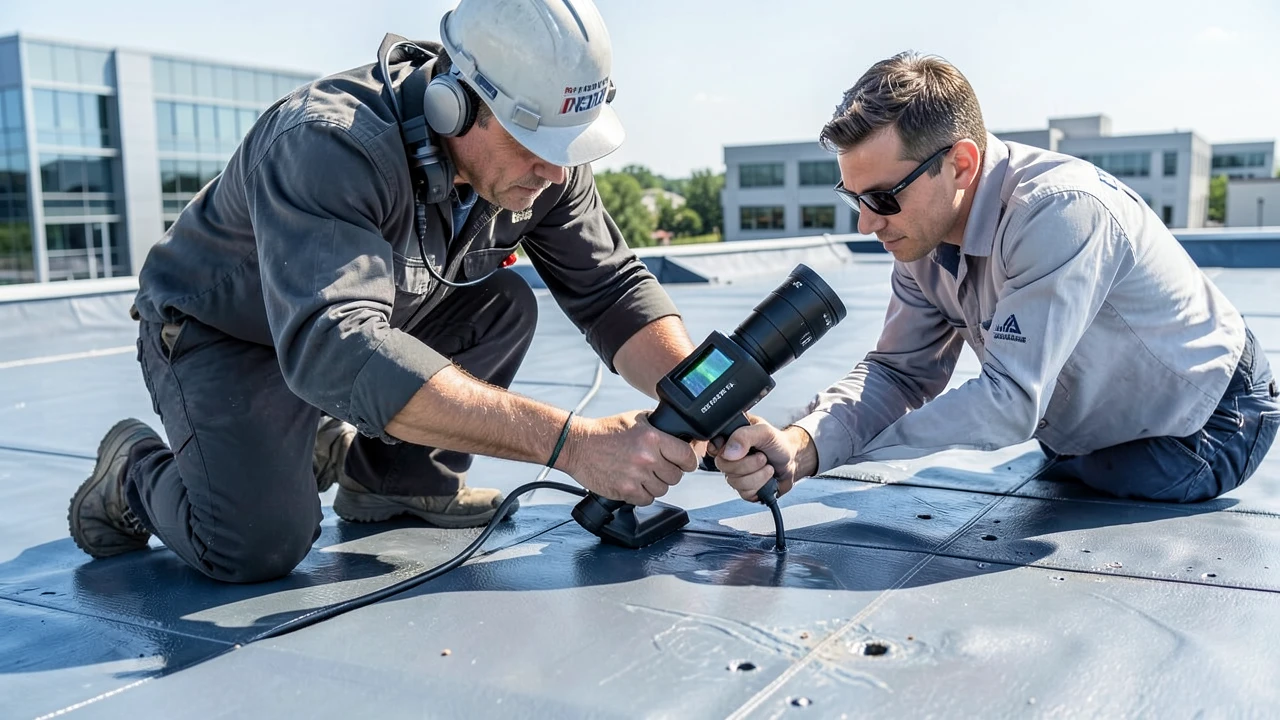
The biggest mistake any property owner can make is assuming the leak they see on their ceiling has the same source as the damage visible on the roof surface. A major roofing project always begins with a far more detailed examination than simply looking at the shingles or membranes from the ground. This initial inspection phase is arguably the most critical part of what steps are required for a large-scale commercial roofing project?
Going Beyond the Visible
Our process starts by assessing the underlying structure. We aren't just looking at the TPO sheet; we need to examine the decking, the trusses supporting the roof, and every single flashing point. These areas-the joints, penetrations, and seams-are where water intrusion most commonly begins because they are points of weakness in the overall system.
Identifying Hidden Risks
A true inspection looks for signs of water intrusion before a leak becomes an emergency. This means focusing on seemingly minor issues like fascia board deterioration due to constant moisture, corrosion around plumbing vents, or improperly sealed parapet walls. For example, we might find that the flashing-which is crucial; think of it like a belt holding everything together-is rusted through at a joint decades ago, causing slow water seepage into the structural cavity that only becomes visible years later as expensive interior damage.
The Importance of Historical Data
We don't just inspect what’s in front of us today. We take the time to review past repair records and maintenance logs. Understanding the full lifecycle history of a roof system, including past reports on roof inspection, is crucial for accurate planning, allowing us to anticipate failure points that might not be obvious during a single walk-through.
This initial scope definition step sets the exact boundaries of the work. For commercial properties, this means assessing multiple zones-the warehouse section, the office wing, and the loading docks often have different material needs and structural requirements. This comprehensive approach ensures we are planning for the entire building envelope, not just the most visible damaged area.
Phase 2: Material Selection, Engineering, and Permitting
Once the inspection reveals the scope of work-the what and the where-Phase 2 determines the how. This is where technical knowledge merges with local code compliance to create a guaranteed plan that lasts for decades.
Tailoring the Solution
Material choice should never be dictated by price alone. It must be dictated by function, durability requirements, local climate, and aesthetic goals. Are you in an area prone to intense UV exposure? We might recommend reflective coatings or certain metal profiles. Is the roof subjected to constant foot traffic? The material needs to handle that load. Do you need maximum fire resistance? That changes the entire scope of materials we consider, whether it’s premium asphalt shingles for a smaller structure or specialized reinforced membranes like those used in low slope roofing systems for large flat roofs.
Engineering Considerations
For any large-scale commercial project, this phase is non-negotiable engineering work. We must calculate the load-bearing capacity of the existing substrate, ensure adequate ventilation needs to prevent trapped moisture (which causes material degradation), and confirm that all chosen materials meet specific local building codes in South Oak Cliff or nearby neighborhoods like Cedar Crest. This isn't guesswork; it’s structural science applied to your property.
The Role of Permits and Compliance
This is a step many homeowners skip, but it could lead to massive legal headaches later. We walk through the necessity of obtaining all local municipal permitting. A proper permit confirms that our proposed plans meet safety standards and building codes. This protects you as the property owner and ensures the longevity of your system.
Developing the Master Plan
This entire phase culminates in a detailed, itemized plan-a true scope document. This master plan addresses every single component: from the primary roofing membrane to the flashings (those metal strips that seal joints, like belt buckles), downspouts, and even gutter replacement. Having this fully defined, written scope ensures total cost transparency before any crew steps foot on your property.
Phase 3: The Execution of Large-Scale Commercial Roofing Projects
With the plan approved, we move into execution-the physical process of making the roof safe, sound, and beautiful. This phase is where meticulous logistics and systematic effort are paramount.
The Systematic Approach
The build sequence is highly structured. It starts with debris management and a controlled tear-off process. We don't just rip off materials; we carefully remove them to prepare the substrate-the underlying decking-for new materials. If the decking itself is compromised, simply laying down new roofing material on top of rot will only lead to expensive leaks in a few short years.
Managing Disruption
A large project requires meticulous logistics planning that minimizes disruption to your daily life or business operations. We treat neighboring properties and active commercial sites with extreme respect. This involves setting up safe staging areas, ensuring debris removal is constant, and scheduling work around peak operating hours so you can maintain business continuity while we work hard above your heads.
Installation Protocols
Our crews are trained in specific installation techniques for every material type. For example, the methods used to fasten standing seam metal roofing panels are fundamentally different from applying a liquid-applied flat membrane like Modified Bitumen or TPO. Demonstrating this technical mastery-and knowing how we apply it-is key evidence that you are hiring experts who understand the physical science of the job.
The Coordination Challenge
Finally, this stage requires coordinating multiple trades simultaneously: debris removal crews, electrical adjustment teams (if new vents or HVAC units need routing), and highly specialized roofing crews. All these elements must happen efficiently and safely under one umbrella plan. It's a feat of project management that ensures the entire commercial roofing process runs smoothly and on time.
Phase 4: Final Inspection, Warranty Documentation, and System Integration
The job isn’t done when the last piece of material is laid down; in fact, the work is only truly finished when you are completely satisfied with its performance and stability. This final phase ensures that your roof system is fully operational and protected for years to come.
Stress Testing the Work
After installation, we perform a comprehensive "stress test" walk-through. We don't just look at the surface; we check every flash seal, every drainage efficiency point, and every visible seam under different light conditions. This meticulous quality control measure confirms that all joints are properly sealed and that water will drain exactly where it should.
The Warranty Package
We must clarify the difference between warranties: there is the material warranty (provided by the manufacturer for defects in the product itself) and the workmanship guarantee (provided by us, Rock Line Roofing, covering errors in installation). A solid plan always includes both-a comprehensive package that gives you genuine peace of mind.
Documentation Handover
You should leave the job site with a clear checklist of documentation: maintenance manuals for specialized equipment, detailed maintenance schedules tailored to the South Oak Cliff climate, and emergency contact information specifically for roof-related repairs. This paperwork is your insurance policy against future confusion.
Long-Term Care
We stress that roofing is an ongoing investment in structural integrity. We provide preventative maintenance tips specific to this area-things like checking gutters after heavy rains or ensuring vent stacks are clear of debris-because the best protection always comes from consistent, proactive care.
Protecting Your Investment: Proactive Steps for Long-Term Roof Health
While understanding what steps are required for a large-scale commercial roofing project is vital when you need a full replacement, remember that major projects aren't the only way to maintain roof value. Shifting your mindset from reacting to leaks to preventing them altogether is key to maximizing your property's lifespan and maintaining its structural integrity.
Recognizing Early Warning Signs
Don’t wait until water stains appear on your ceiling or you notice widespread hail damage. Educate yourself on recognizing subtle issues: persistent mineral staining around drain outlets, minor patch failures in the membrane, or blocked gutters that indicate a deeper drainage issue. These are the small warning signs we need catching before they become structural disasters requiring massive expense.
The Value of Routine Checks
We strongly recommend establishing a simple yearly roof inspection and maintenance schedule, regardless of whether you see visible damage. A routine check allows us to catch a problem when it’s cheapest and easiest to fix-often just a sealant application or minor clearing-preventing the cascade failure that eventually leads to full replacement.
Local Commitment Reminder
Whether you own a massive commercial facility in the heart of South Oak Cliff, TX, or an established family home in neighboring Junius Heights or Cedar Crest, our expertise covers everything from routine maintenance to implementing advanced roofing solutions. We are here not just for emergency calls, but to serve as your trusted, knowledgeable partner in protecting what you’ve built.
If you have questions about the scope of work, whether it's a full commercial roofing project or simply preventing that next leak, call us at +1 469-589-3827. Let our experience guide you through every step with transparency and confidence.