
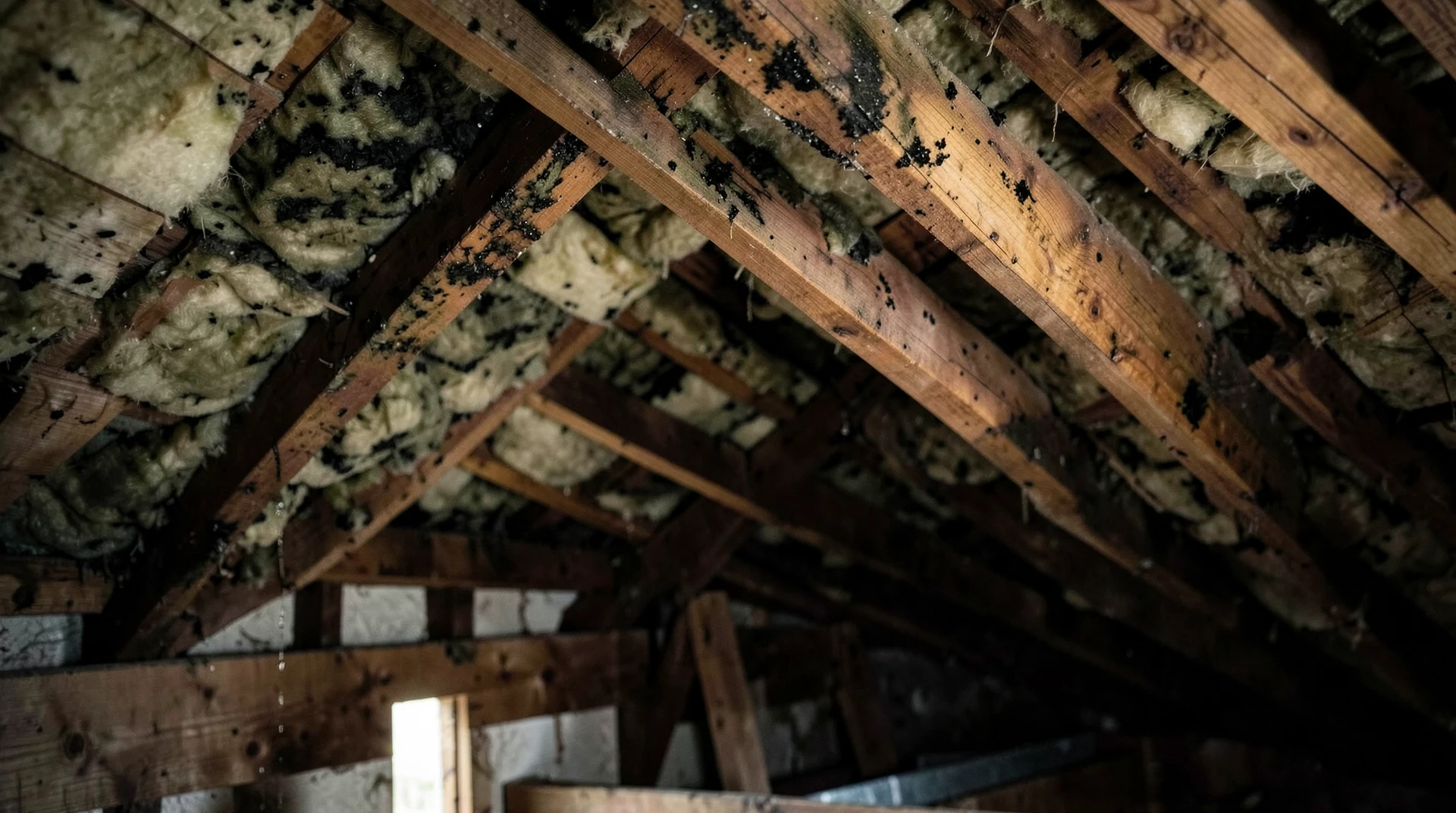
When a Leak Becomes More Than Just Water Damage: Preventing Mold Growth from Persistent Roof Leaks
If you’ve lived through the unpredictable weather of the Dallas-Fort Worth area, especially during recent hailstorms or those massive downpours characteristic of South Oak Cliff, TX, you know the sudden anxiety. A streak on your ceiling, a damp patch in the attic-it feels like an immediate disaster. You assume it's just cosmetic water damage. But I’ve spent 18 years working with local homeowners, and I need to tell you something critical: while the leak itself is the obvious threat, persistent moisture creates a secondary, more insidious problem that can compromise your home long before you see the first crack in the drywall-it's mold.
Water damage is immediate; mold damage is gradual and deeply structural. When water penetrates your roof system, it doesn't just drip out; it travels through every available crevice. It saturates wood framing, gives mildew a foothold on insulation materials, and turns seemingly solid components into perfect breeding grounds for black mold and various forms of rot. Understanding the difference between a surface stain (which is often just cosmetic) and actual structural fungal growth is crucial because addressing the mold without first fixing the root leak is completely futile-it's like putting a bandage on a burst pipe; you are masking the danger, not eliminating it.
Beyond the Visible Drip: Pinpointing the Source of Water Intrusion
One of the most stressful parts of dealing with leaks is the fear of hidden structural issues and vague, overwhelming estimates. Most homeowners approach contractors thinking they need a simple patch job for that visible drip. But let me explain this simply: roof leaks are rarely simple, single-point failures. They usually involve systemic weaknesses-a compromised flashing joint, degraded gutters, or deteriorated sealants working together to create an entry point.
There is a massive difference between dealing with a "minor drip," which might be addressed temporarily, and dealing with persistent water intrusion, which signals a deeper structural failure in the roof's protective envelope. When we are talking about identifying the true source of water intrusion, we are looking far beyond the visible damage. We are examining improperly sealed chimney stacks, degraded vent pipe penetrations, and cracked fascia boards-the small, overlooked details that accumulate into massive problems. Think of flashing not as a random piece of metal, but as the house’s protective belts; they must be perfectly fitted and maintained everywhere water might interact with the structure.
Identifying this true source is, without exaggeration, 90% of the repair job. If we simply patch the drip line visible in your attic, but ignore the fact that the flashing around your utility vent stack has degraded over time, the leak will reappear-and often worse. This initial diagnostic work prevents massive overspending later on unnecessary replacements or failed patches. For homeowners in areas like Junius Heights or Oak Lawn, where houses are tightly packed and older structures face unique weather challenges, a thorough roof inspection is non-negotiable for true peace of mind.
The Science of Decay: How Persistent Leaks Fuel Mold Growth
To truly understand how to achieve preventing mold growth from persistent roof leaks, you need to know what mold needs to thrive. Scientifically speaking, mold requires three things: sustained moisture, an organic food source (like wood, drywall, or insulation), and time. A small, seemingly insignificant drip that occurs repeatedly over months provides the perfect continuous environment for this deadly cycle of decay.
When water consistently pools in your attic space or seeps into your walls, it keeps those ideal conditions active. This isn't just aesthetic damage; mold actively compromises air quality, can trigger respiratory issues, and degrades structural materials at a molecular level. Therefore, even if you find an expensive way to remove surface visible black spots, you haven't addressed the underlying issue: the moisture source.
While we wait for professional repair-and I always caution against DIY remediation of actual structural mold-homeowners can take steps like using dehumidifiers and fans in the affected area to reduce humidity. However, please understand that these are temporary mitigation tools. The only permanent solution is eliminating the constant water supply. Furthermore, sometimes the issue isn't directly on the roof; failing foundation drainage or poorly graded gutter systems can allow groundwater to enter the structure, making comprehensive diagnosis vital for total moisture control.

Building Resilience: Proactive Steps for Long-Term Roof Protection
I want to shift your perspective from viewing roofing as a reactive expense-something you only deal with after the first major storm hits-to seeing it as critical, preventative insurance. A good roof system is not just a covering; it’s the protective skin of your home.
The best defense against structural failure and mold is proactive maintenance. You should never wait until the hailstones are hitting your shingles to schedule an inspection. I recommend establishing an annual roof health checkup tailored specifically to the unique, intense severe weather patterns that characterize the Dallas-Fort Worth area.
When considering materials, resilience matters immensely. While standard asphalt shingles serve their purpose, if you live in a high-hail zone like South Oak Cliff, investing in impact-resistant or Class 4 rated roofing materials adds crucial protection against common storm damage. But remember that comprehensive preventing mold growth from persistent roof leaks requires more than just new shingles; it means reviewing the entire system. We look at ensuring proper gutter grading and installing downspout extensions that divert water far away from your foundation, preventing subterranean moisture issues entirely.
Securing Your Home: Expert Assessment for True Peace of Mind
I know what you might be thinking right now: "This sounds overwhelming, and I worry about getting a vague or inflated quote." Please let me directly address that anxiety. The most valuable service we provide is not just labor; it’s transparent diagnosis. An honest, local expert doesn't give you a list of overpriced upgrades designed to confuse you. We diagnose failure points to create a targeted plan for both restoration and prevention.
When I walk through a property-whether it's in Cedar Crest, Bishop Arts, or anywhere else in South Oak Cliff-I am not just glancing at the shingles; I am looking for evidence of where water has traveled. Our process is structured: Initial detailed walk-through -> Deep inspection/diagnosis (identifying the exact leak source) -> A clear, itemized scope of work that addresses both the structural fix and the moisture mitigation plan for Roof Coatings in South Oak Cliff, TX.
The most crucial investment you can make is in reliable knowledge. We focus intensely on pinpointing the actual source of the water intrusion so there are no vague surprises or hidden costs later. My goal is to provide a solid plan for your home, not just an expensive list of materials. If you live anywhere from Junius Heights to Oak Lawn, remember that when it comes to protecting what you've built, the local commitment matters most. We are here to provide transparent, expert care that respects both your property and your budget.