Beyond Shingles: Protecting Your Investment with High-Performance Coatings
When you look at a roof, it's easy to think about shingles-the familiar material that covers the structure. But after 18 years of working on roofs across South Oak Cliff, especially navigating the unpredictable nature of DFW weather, I’ve learned something critical: the most crucial part of any roofing system isn't always visible. It's how the entire assembly interacts with extreme elements-the sudden hailstorms, the intense summer heat, and persistent moisture cycles.
We often treat a roof like it’s a single material problem. But in reality, your roof is a sophisticated protective shell. When we talk about modern roofing solutions that go beyond just replacing damaged materials, we are talking about structural integrity. For high-value commercial assets or even established homes in neighborhoods like Junius Heights and Oak Lawn, the risk isn't just visible damage; it's structural failure-the kind of slow, insidious leaks that undermine your entire investment.
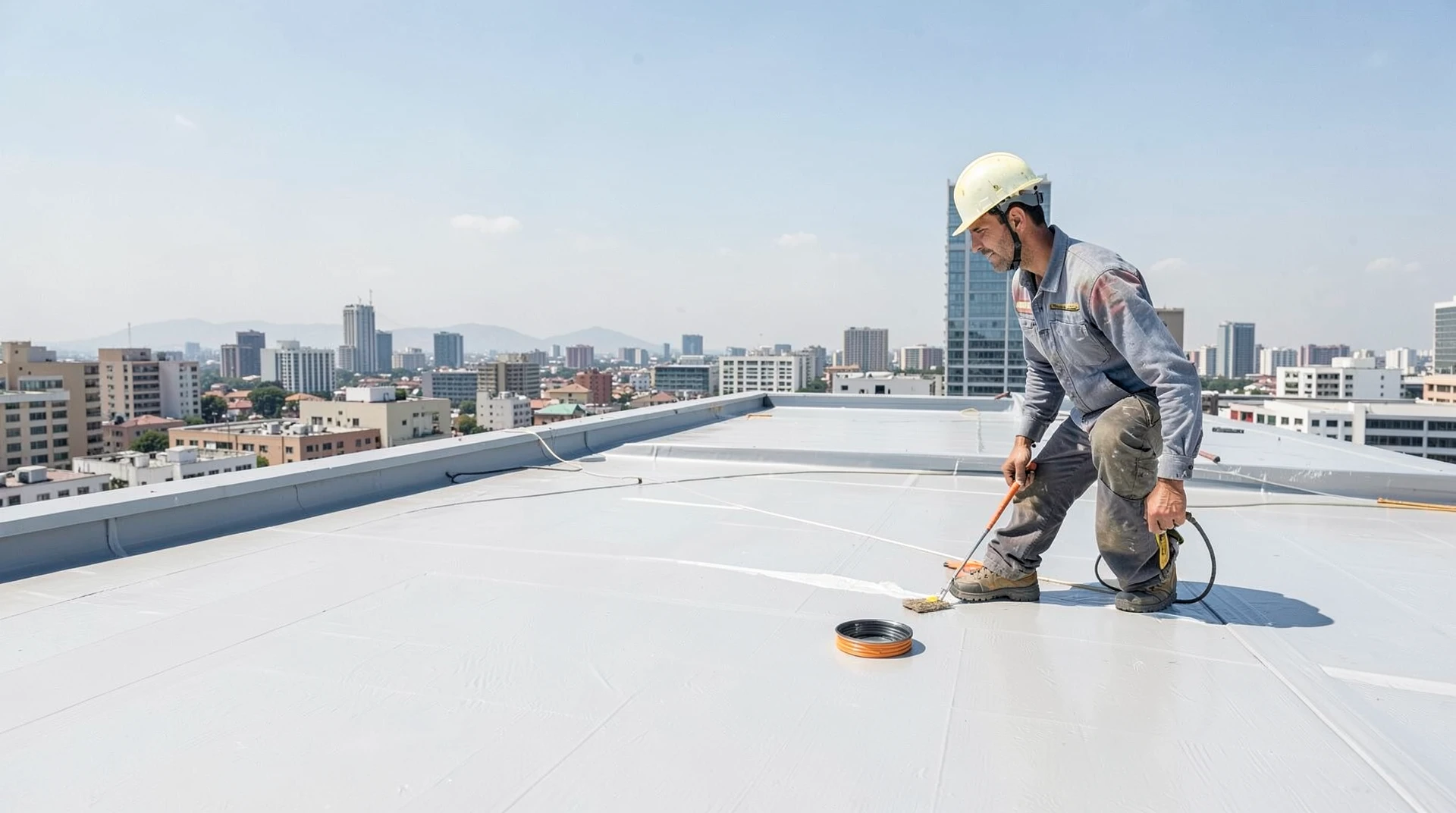
This is where specialized coatings come into play. Think of a premium roof coating not as an optional upgrade, but as essential preventative insurance. It’s a proactive layer we apply to seal structural weaknesses that are invisible to standard visual inspections. These coatings act like advanced skin for the building, providing a seamless barrier that seals out water and mitigates stress from extreme weather before those tiny cracks can become catastrophic leaks. Understanding these systems is crucial because modern roofing demands more than just durable materials; it demands resilience.
Understanding LEED and Sustainable Roofing Requirements
For commercial property owners today-especially those managing multi-million dollar operations in areas like the Farmers Market District or Bishop Arts-sustainability isn't just a buzzword; it’s often a mandatory requirement tied to market value and operational efficiency. This brings us directly to LEED (Leadership in Energy and Environmental Design) certification.
Simply put, LEED is a rigorous framework that guides building owners toward designing structures that are environmentally responsible from the ground up. Achieving high points requires meticulous attention to every detail-from water usage to material sourcing. For roofing, this means selecting systems that actively contribute to energy conservation and minimize environmental impact. This technical intersection is why understanding roof coatings for LEED certified buildings requirements is so important.
These sustainable membranes offer tangible benefits that traditional materials often cannot match. Firstly, they dramatically reduce the building’s heat island effect. Traditional dark roofing absorbs massive amounts of solar radiation, radiating intense heat back into the city-literally cooking the neighborhood. High-reflectance coatings, however, bounce sunlight away, keeping the interior cooler and significantly lowering the owner's HVAC costs.
Secondly, LEED demands transparency regarding chemical composition. This means low VOC (Volatile Organic Compound) emissions, which protect indoor air quality. Sophisticated polymer coatings can be formulated specifically to meet these strict environmental criteria, ensuring that your building is not just visually sound but chemically safe and operationally green. We aren't just selling a roof; we are helping you achieve measurable, certified sustainability goals.
The Science Behind Advanced Roofing Coatings: Types and Performance
If the LEED requirements dictate why we need advanced coatings, this section explains how they work. Demystifying these systems means moving away from jargon and focusing on performance.
At its core, a roofing coating is an engineered sealant applied over an existing membrane (like TPO or modified bitumen). It’s designed to be more than just waterproof-it must be durable enough to handle the unique stresses of Texas weather. The primary materials we work with include Polyurethane coatings and advanced Acrylic systems, but also specialized applications for low-slope commercial roofing that require immediate repair capability.
When assessing a coating, you need to look past the color and focus on four key performance metrics:
- UV Resistance: The ability to withstand years of intense Texas sun without breaking down or cracking.
- Puncture Durability: Essential for areas where foot traffic or equipment might press against the roof surface.
- Seam Strength: Coatings must provide an impermeable seal over all seams and penetrations, often using specialized liquid flashing techniques that are far more reliable than standard mechanical joins (think of it like a highly engineered belt sealing every joint).
- Impact Resistance: This is critical when dealing with the notorious hailstorms we see across South Oak Cliff. A proper coating system absorbs impact energy and prevents brittle cracking.
For example, I recall working on a small commercial building near Bishop Arts after a severe microburst storm. The underlying membrane was intact, but the sheer force of flying debris had created hairline cracks over several seams. Instead of a costly tear-off replacement, we used a specialized polyurea coating that sealed every microscopic breach and provided an immediate, durable shield-extending the life of the structure significantly without the cost or hassle of a full new roof installation.
This level of resilience is what allows us to provide superior alternatives to full "new roof installations" when the structural components are sound but compromised by weather. When we discuss roof coatings for LEED certified buildings requirements, we are talking about combining this high-level performance with measurable sustainability.

Evaluating Your Roof: From Initial Inspection to Long-Term Maintenance
While the focus on commercial compliance is vital, I want to draw attention back home-to your property in Cedar Crest or Oak Lawn. The principles of preventative care that apply to a LEED commercial structure are exactly what you need for your family residence.
A comprehensive roof inspection is not just about looking at shingles and noting stains; it's an expert diagnosis of the entire system. We are trained to find the "hidden surprises"-the subtle signs of flashing leaks around vents, degraded gutter connections, or structural stress points that are doing the work before the visible damage occurs.
This brings us to a crucial point regarding cost: many homeowners delay roof repairs because they worry about the initial outlay. However, I want you to view this inspection not as an expense, but as preventative financial protection. A small investment in diagnosing a minor flashing leak today prevents the catastrophic expense of mold growth or major water damage-which can affect everything from your drywall to your foundation-years down the line.
“The most crucial part of any roof system isn’t the shingles; it’s understanding how it interacts with the unique weather patterns of Texas.”
That quote captures my philosophy, Ethan Rodriguez’s perspective: we must look at the entire interaction. Furthermore, a high-quality coating system requires monitoring. We establish clear maintenance schedules and reapplication cycles to ensure that the sealant remains at peak performance long after installation.
Choosing Your Roofing Partner: What to Look for in South Oak Cliff
The market is full of contractors, but knowing how to vet them-especially when you are dealing with a complex issue like LEED compliance or sudden storm damage-is essential. I want to give you some actionable advice on what to look out for.
First, always ask about their warranty coverage and liability. A reputable local company won't just quote materials; they will detail the labor and material warranty period, giving you peace of mind if issues arise down the line. Second, demand a clear, non-inflated estimate right from the start. If an estimate feels vague or jumps wildly based on "unforeseen complications," it’s time to get a second opinion.
True expertise means understanding both the meticulous standards required for high-end commercial projects (like those needing LEED accreditation) and the immediate crisis response needed when you have hail damage near Junius Heights at 10 PM. A great local partner must be skilled in both worlds.
We are committed to serving our neighbors throughout South Oak Cliff, TX-whether you live in Bishop Arts, Cedar Crest, or anywhere in between. We don’t just estimate; we pinpoint the actual source of the leak so you know exactly what needs fixing-no vague surprises or hidden costs later. When your roof system becomes a critical asset for your family, business, or LEED certification goals, choose a partner with local roots and proven experience. Call us at +1 469-589-3827 today to schedule an inspection that gives you clarity, not confusion. our homepage.