

If you live in South Oak Cliff, you know that our weather doesn't send gentle postcards-we get intense heat shifts, sudden hailstorms, and dramatic temperature swings. For homeowners, this unpredictability translates into one thing: constant worry about structural integrity. Many people wait until they see a visible stain or patch of damage before addressing their roof. But here’s the truth that I've learned over 18 years navigating everything from hail hits in Junius Heights to sudden summer downpours: waiting is often when the problem gets exponentially worse.
A roof coating isn't just another layer you slap on top; it's an advanced, protective system designed to give your home a durable, invisible waterproof skin. It enhances what’s already there, greatly reducing the chances of those expensive surprises that accompany when to replace a roof. But while knowing what solution is right (silicone) is crucial, understanding the how-the proper process and timing-is equally critical for success. And nowhere is that more important than when it comes to chemistry and climate.
When Does Your Roof Need More Than Just Shingles? Understanding Your Local Climate Risks
For those who view their roof as simply a collection of shingles, they are missing the bigger picture. Our local environment in South Oak Cliff presents unique challenges. We don't just get rain; we get rapid temperature fluctuations and intense impacts that stress standard roofing materials from the inside out. Over time, these shifts create micro-fissures-tiny cracks too small to see with the naked eye but large enough for water to slowly seep through.
This is where coatings step in. We are not talking about a cheap patch job; we are discussing an advanced polymer membrane that acts as a shield against the elements. Think of it less like replacing your entire roof and more like giving your home a robust, invisible second skin. This distinction is vital because it directly addresses the overwhelming fear many homeowners have: facing a massive, unexpected roof replacement cost. A properly applied coating can significantly extend the life of your existing structure by preventing these insidious, hidden leaks from ever starting.
The foundation of any effective roof system isn't just visible; it’s what happens at the seams-around vents, flashing, and where materials meet. It is this vulnerable perimeter that coatings are designed to seal, providing protection long after standard shingle warranties have expired or been compromised by a particularly nasty hail storm. This leads us directly into the scientific necessity of timing. For comprehensive protection against the elements, we recommend exploring our expertise in advanced roofing solutions for your specific needs.
The Science of Silicone: Why Temperature Matters for Optimal Application
At the heart of many homeowner concerns is the question: what temperature range is ideal for silicone roof coating application? It’s a complex chemical process, and misunderstanding it can lead to failure before the first heavy rain even falls. I need you to know that this isn't just a general guideline; it relates directly to how the material cures and hardens-a process called polymerization.
Simply put, temperature dictates the chemistry. If the conditions are off, the coating won’t set properly, or worse, it will degrade prematurely under stress.
Why Temperature is Non-Negotiable for Curing
When we apply these advanced materials, they need a specific thermal window to transition from liquid to solid polymer membrane.
- Too Cold: If the ambient temperature is too low, the chemical reactions slow down or stop entirely. The coating might appear wet and uniform when applied, but it will never achieve its full structural integrity. It won't cure-it just sits there, vulnerable.
- Too Hot (Extreme): While a little warmth helps, extreme heat can cause the material to degrade too quickly or put immense stress on the underlying substrate, leading to premature cracking right after application.
While we cannot give one single number without performing an on-site assessment of your unique roof structure, general optimal parameters usually fall within 50°F and 85°F (10-30°C). This range minimizes stress and ensures the chemistry can work exactly as designed to create a continuous, durable seal.
However, understanding that temperature is only one piece of the puzzle is key. We also monitor secondary factors like humidity levels-which affect adhesion-and wind speed, which influences how evenly the coating adheres. A truly successful application requires perfect synergy between weather conditions and expert chemistry.
Beyond Weatherproofing: The Long-Term Investment Value of Silicone Coatings
When we discuss silicone coatings, we are really discussing risk mitigation and structural preservation. For established properties in areas like Junius Heights or Cedar Crest-where home value is intrinsically tied to the integrity of the structure-this protection moves from a mere upgrade to a critical investment.
Unlike standard repairs that simply cover visible damage, these advanced coatings solve common, invisible pain points. Consider flashing: it’s the metal "belt" around chimneys and vents. If this belt has tiny gaps or corrosion, water can enter and cause rot inside your walls before any leak is visible on the surface. The coating seals these high-risk areas completely.
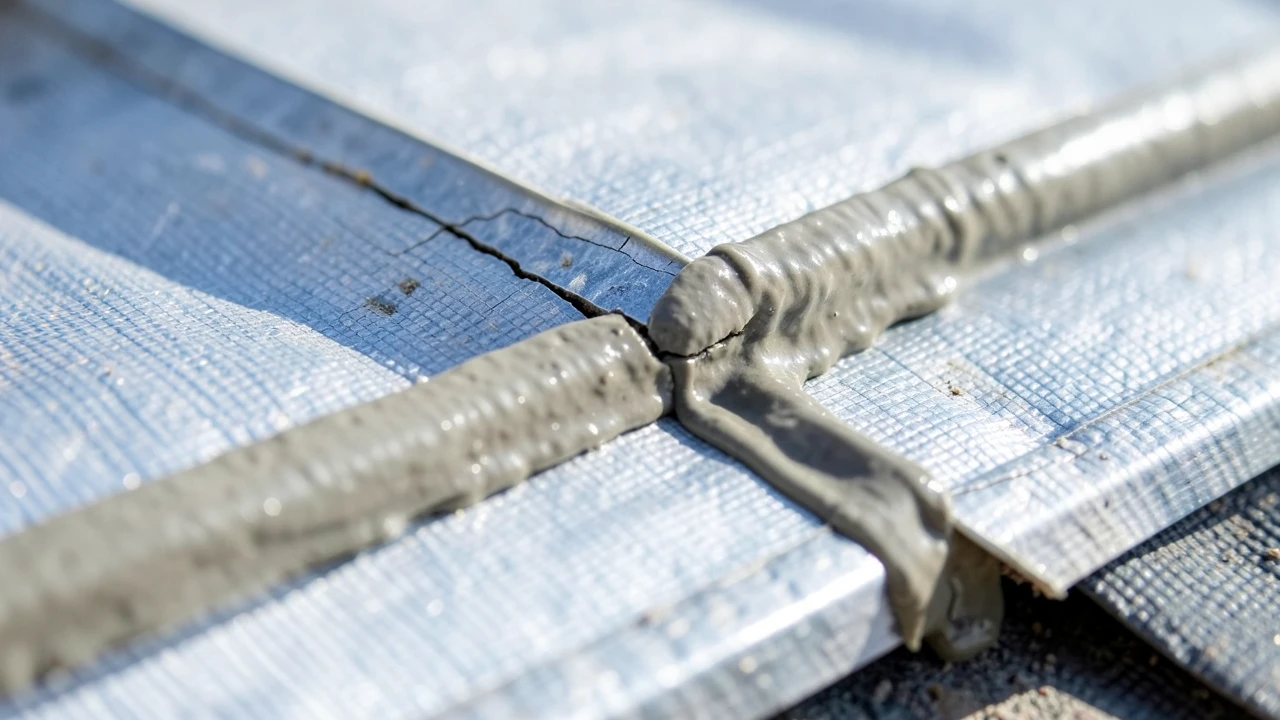
We must also confront the financial elephant in the room: cost. When you are faced with a devastating leak after a hailstorm, the immediate panic often leads to accepting an estimate for full new roof installation, regardless of necessity. But let’s look at the math. The high upfront cost of a professional coating is far less than the cumulative expense of continuous emergency leak repairs over five years, or the catastrophic expense of premature replacement caused by water intrusion into the rafters and joists (which is often what makes people think they need a whole new roof when they really just need better sealing).
This durable, low-maintenance solution doesn't just "add" longevity; it restores the structural integrity of your existing system, protecting your investment and significantly mitigating that panic feeling about when to replace a roof.
The Critical Steps: What Happens Before and After the Coating is Applied
If I could tell homeowners one thing about roofing projects, it’s this: preparation accounts for roughly 70% of the success rate. This is where most amateur efforts-and even some professional failures-occur. You cannot paint a system to success; you must prepare the substrate for success.
The Non-Negotiable Pre-Application Inspection
Before any quote is given, we conduct a thorough, professional roof inspection. We are not interested in guessing; we need to pinpoint the actual source of your concern first. This initial assessment involves checking the existing materials, identifying flashing weaknesses, and testing the surface for adhesion points. Understanding this foundational step is what separates an honest neighborhood expert from someone simply trying to sell you a service.
The Application Process: More Than Just Painting
The application process itself is specialized. It’s not like applying exterior paint; it requires meticulous cleaning of the entire substrate, followed by multiple, measured coats designed for maximum adhesion and waterproofing depth. Our crews are trained to work around your life in South Oak Cliff, respecting your property from start to finish.
Post-Application Care
After the coating is cured, what should you expect? Minimal maintenance-that’s part of the appeal! We teach you how to monitor the roof and advise on gutter maintenance, ensuring that your investment remains protected for years to come. This commitment extends long after we leave the site.
Choosing a Local Expert: Navigating Your Roof's Needs in South Oak Cliff
The roofing landscape can be confusing, especially when navigating local building codes or dealing with specialized materials like silicone coatings. From Bishop Arts to Oak Lawn, every neighborhood has unique micro-climates and construction histories that affect how a roof should perform. Our job isn’t just to sell you a product; it's to understand the specific weather challenges of your street and home. For comprehensive guidance on all types of roofing needs, including specialized commercial roofing services, we understand the nuances across different areas.
While coating can be an incredibly effective solution for leak prevention and extending life, we are always honest about limitations. If the underlying substrate-say, decades-old decking or severe structural rot caused by unchecked leaks-is damaged, no amount of superior coating will fix that structural weakness. We must address what is beneath the surface first.
If you've been dealing with persistent water issues or are simply worried about the impact of our region’s shifting climate on your property in South Oak Cliff, TX, please don't rely on vague estimates or guesswork. Instead, invite us to conduct that objective assessment. We will pinpoint the actual source of concern-whether it needs a coating, minor repair, or something else entirely-so you know exactly what you are paying for. Let our 18 years of experience helping neighbors like you understand your true roof needs be the difference between an expensive gamble and a reliable, long-lasting shield for your family home.