

Preventing Commercial Roof Membrane Degradation from UV Rays: A Guide for South Oak Cliff Homeowners
I’ve spent the last 18 years working with local homeowners, navigating everything from sudden hailstorms in Junius Heights to heavy rain events near Oak Lawn. We all love our homes in South Oak Cliff, and nothing is more stressful than discovering a leak-a visible sign that something deep beneath the surface has failed. When people think about roof damage, they usually picture the dramatic aftermath: the hail impact, the torn shingle, or the wind-whipped edge. But the truth is often far quieter, and much harder to predict. The most dangerous threats don't always leave a visible mess; sometimes, they are chemical, silent, and relentless.
This guide isn’t just about fixing leaks after a disaster strikes. It’s about understanding proactive protection-specifically, preventing commercial roof membrane degradation from UV rays. While the term might sound overly technical, the core principle applies directly to every structure here in South Oak Cliff: your roof is constantly under attack by invisible elements, and recognizing that attack is the first step toward keeping your investment safe for years to come.
We proudly serve if you’re in Oak Lawn and the surrounding area.
When Visible Damage Isn't the Only Worry: Understanding Silent Roof Deterioration
We tend to focus our anxiety after a major weather event. Did the hailstones knock out enough shingles? Was the wind strong enough to rip off flashing? These are immediate concerns, and for good reason. But even if your roof looks perfect right now-the shingles are aligned, there are no obvious cracks, and the gutters seem clear-it could be undergoing a slow, invisible breakdown.
This is what we call 'invisible wear.'
To help explain this, think of your roofing membrane or asphalt shingles like sun-bleached skin that hasn't seen proper protection for years. When you leave your skin exposed to intense UV rays without cream, it doesn't immediately blister; instead, it slowly loses elasticity, becomes chalky, and weakens over time. The damage accumulates so gradually that you might not notice a visible crack until the material can no longer withstand even minor temperature shifts or physical stress.
For roofing materials, chronic chemical breakdown from UV rays is equally dangerous to a direct hit from a hailstones. It compromises the underlying structural integrity of the waterproofing layer itself. If this critical membrane-the barrier that keeps the water out-is weakened chemically beneath the surface, it drastically reduces the roof's overall lifespan and makes it incredibly susceptible to minor issues, like slight changes in pitch or even just clogged gutters that accumulate standing water. Understanding silent deterioration is key to making informed decisions about preventing commercial roof membrane degradation from UV rays.
The Science of Sun Damage: How UV Rays Compromise Roofing Materials
At its heart, the problem with sun damage is chemistry. When we talk about UV radiation, we are talking about high-energy light that travels through our atmosphere and interacts directly with the chemical bonds in materials like asphalt or polymer membranes (TPO, modified bitumen). These molecules are designed to hold water out, but they are not immune to this constant bombardment.
UV rays act as a catalyst, essentially breaking down the molecular structure of the material. This process doesn't usually manifest as an immediate, dramatic crack. Instead, it leads to:
- Brittleness: The material loses its flexibility and becomes brittle, making it prone to shattering or cracking under normal thermal expansion and contraction (the daily cycle of hot South Oak Cliff sun followed by cool nights).
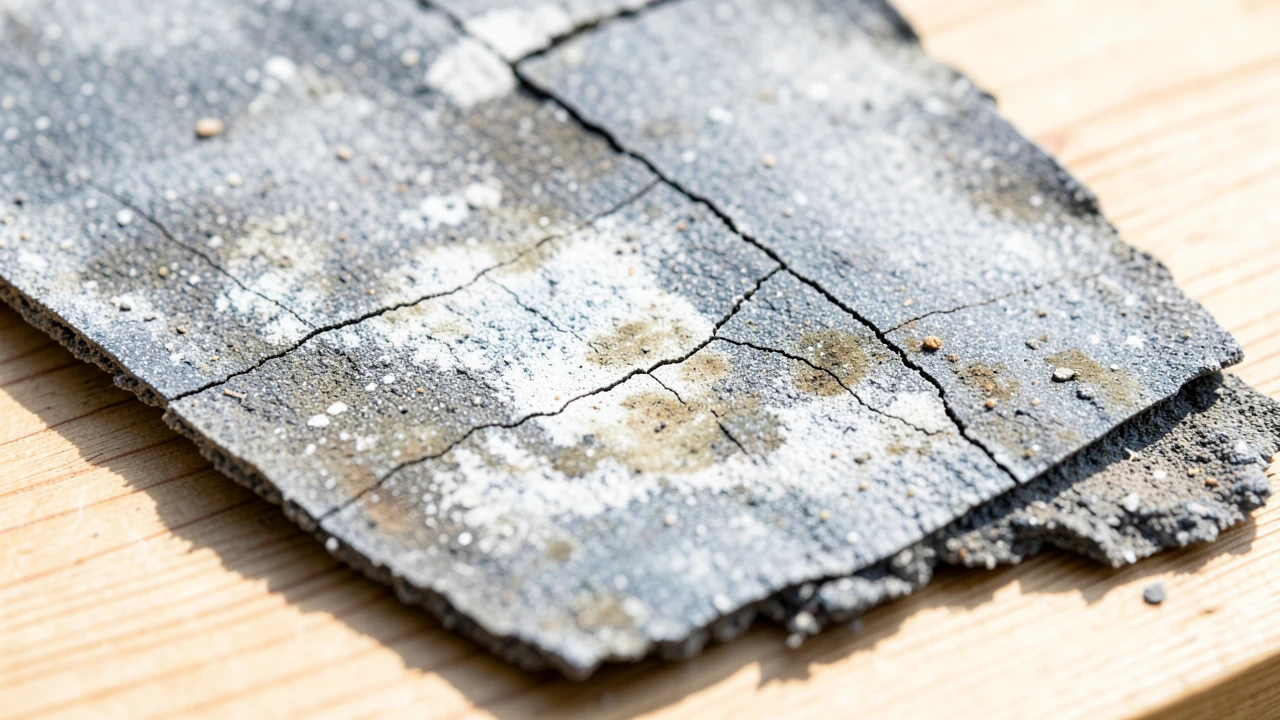
- Chalking: This is a common visual sign where the surface particles wash off, giving the roof a dusty, white appearance. While chalking itself is often cosmetic on its own, it signals that the binder holding the material together has been compromised chemically, meaning the protective layer underneath is also weakened.
- Reduced Waterproofing Ability: The primary function of the membrane-to shed water and prevent penetration-is diminished because the molecular integrity is gone.
It’s important to understand the difference between surface staining (which might be mold or algae) and actual material breakdown. A dark streak could be cosmetic, but if that underlying area has brittle membranes due to UV damage, it means a tiny leak can quickly become a major water intrusion problem. The core principle of preventing commercial roof membrane degradation from UV rays is recognizing that the chemical integrity must be restored or reinforced before any physical repair can even take place.
Spotting Early Warning Signs: What a Homeowner Can Check Before Disaster Strikes
As your trusted neighbor, I want to give you an actionable checklist-things you can observe without needing to hire an expert just yet. These signs are subtle warnings that require attention, not panic.
- Excessive Chalking: If large swaths of your flat or low-slope roof look powdery white, it's a strong indicator of UV degradation affecting the top layer.
- Granular Loss (on Asphalt Shingles): While minor granular loss is normal wear, if you see significant amounts missing in patches that exposes the underlying asphalt, the material may be brittle and compromised.
- Flashing Discoloration: Pay extra attention to flashing-the metal pieces around chimneys, vents, and where the roof meets vertical walls. If these areas show heavy streaking or rust-colored buildup, it suggests water intrusion pathways are beginning to form due to membrane failure nearby.
The most crucial weak points are always the seams and penetrations. Every vent stack, every drain pipe opening, and every place the gutter meets the fascia board is a point where compromised membranes make leaks highly likely. Sometimes, dark streaks aren't just stains; they can be accumulated mold or algae growth facilitated by micro-cracks that UV damage has created.
I remember one homeowner in Bishop Arts who thought their roof was fine because there were no visible cracks, but the persistent staining around a vent stack told me everything I needed to know: the membrane surrounding that penetration had failed due to decades of sun exposure. Documenting these findings with clear photos before calling an expert is always helpful; it gives both you and the contractor a precise scope of work, saving time and money later on.
Proactive Protection: Methods for Extending Your Roof’s Lifespan
The best defense against water damage isn't waiting for a leak to appear-it's taking proactive care. This is where we shift from disaster repair to long-term partnership. Roof maintenance preventative care is an investment, not an expense.
Preventative measures are surprisingly simple and effective:
- Drainage Flow: Ensure your gutters and downspouts are fully clear. Think of the house's drainage system like its circulatory system; if clogs occur, water pools, increasing stress on compromised membranes.
- Landscaping Buffer: Keep vegetation (especially trees) trimmed back from roof edges and drain pipes. Overhanging branches can trap moisture or cause physical damage during high winds.
- Specialized Coatings: For flat roofs, this is the most powerful preventative measure. High-quality elastomeric coatings are a sacrificial layer. They seal over the existing membrane, protecting it entirely from direct UV bombardment and preventing that chemical breakdown we discussed earlier. This coating acts as armor, shielding the underlying material and providing an immediate barrier against minor leaks until a full replacement is needed.
Proactive maintenance, while requiring initial investment in coatings or clean-ups, is vastly cheaper than emergency leak repairs. An unexpected structural fix after a major storm can easily run into five figures; preventing that stress by maintaining the system costs a fraction of that amount. We always ensure cost transparency right from the start-you know exactly what you are paying for and why.
When Does 'Maintenance' Become a Full Replacement? Understanding the Roof Lifecycle
This is the million-dollar question every homeowner asks: When do I really need to replace my roof?
The honest answer is that there is no single, magic number of years. It depends on three variables: the material used, the maintenance history (did it get regular care?), and the local weather severity-which here in South Oak Cliff means dealing with extreme heat cycles, sudden downpours, and unpredictable high winds.
The transition point from "maintenance" to "full replacement" is signaled by systemic failure that cannot be localized or sealed out. Signs include:
- Widespread Brittleness: If multiple sections of the membrane across a large area are brittle-not just in one spot-it suggests the material has reached its end-of-life molecular limit due to UV exposure and age.
- Repeated, Unsealable Leaks: When you fix a leak, but within months or years, an identical leak appears nearby, it means the underlying systemic weakness (the compromised membrane) hasn't been addressed.
- Flashing Failure: If the metal flashing itself is corroded or has failed multiple times in different spots, it points to structural fatigue beneath the roof surface.
Think of replacing old, brittle plumbing with modern piping. Even if you patch a few leaks, the entire system may be compromised and prone to catastrophic failure at the next minor pressure change. A full replacement isn't just an upgrade; it’s often a necessary investment in structural peace of mind and resilience against Texas weather. Only a detailed, professional inspection-one that looks beyond surface stains-can accurately diagnose whether simple repairs are sufficient or if a complete overhaul is mandatory.
Protecting Your Investment: Local Expertise for South Oak Cliff Residences
My name is Ethan Rodriguez, and I've spent 18 years doing nothing but navigating the unique, unpredictable weather patterns of this part of Dallas-Fort Worth. Nothing teaches you anything like dealing with a sudden hailstorm in record time-the experience is unmatched. My specialty has always been helping local homeowners understand how their roof interacts with the specific pressures placed upon it by our South Oak Cliff climate.
When we talk about diagnosing wear, whether it’s on multi-family commercial membranes or single-family asphalt shingles in Cedar Crest, Bishop Arts, or Junius Heights, my primary goal is to provide clarity. I don't want to confuse you with technical jargon designed to scare you into an unnecessary upgrade. Instead, I focus on pinpointing the actual source of vulnerability-the UV degradation, the compromised seam, or the drainage issue that needs addressing.
We always commit to transparency: we will give you a clear scope and transparent pricing immediately after our inspection. No vague estimates, no surprises later. We treat your property with the utmost respect, working around your life in South Oak Cliff, leaving everything cleaner than we found it.
Don’t wait for that first visible water stain or until the next severe storm hits to address potential structural weaknesses. I strongly encourage you to schedule a comprehensive, no-pressure roof inspection focused not just on current leaks, but specifically on diagnosing signs of UV degradation and early structural wear across your entire system. Let's protect what you’ve built together. Call us today at +1 469-589-3827 or reach out to learn more about preventing commercial roof membrane degradation from UV rays before the next storm rolls through.